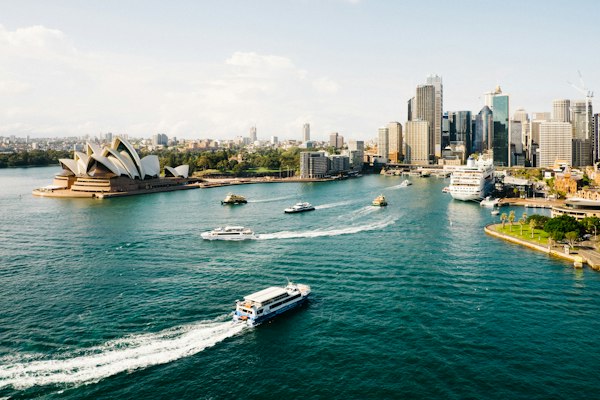
Sydney Heritage Walk
Walk the same streets where convicts built a colony that would become a global city. This tour doesn't just show you historic buildings; it reveals the human decisions, conflicts, and compromises that shaped Australia's oldest European settlement.
You'll explore The Rocks, where Sydney began as a penal colony. Visit Hyde Park Barracks, designed by convict architect Francis Greenway. Understand how a punishment settlement transformed into a thriving port city.
What You'll Discover
- Convict labor systems and their lasting impact on Australian society
- Colonial architecture as political statement
- How Indigenous Gadigal people experienced European arrival
- The role of women in early Sydney's survival
Uluru Cultural Immersion
Experience the sacred heart of Australia through Anangu perspectives. This isn't passive observation; it's an invitation to understand how the world's oldest continuous culture relates to landscape, time, and knowledge.
Anangu guides share Tjukurpa stories that have been passed down for thousands of years. You'll learn to read the land as they do, recognizing how geological features connect to cultural law.
What You'll Discover
- Creation stories and their connection to physical landscape
- Traditional land management practices
- How Anangu culture adapts while maintaining core values
- The political history of land rights and cultural recognition


Port Arthur Deep Dive
Australia's most complete convict site preserves evidence of a brutal punishment system. Beyond the architectural significance, Port Arthur reveals how colonial authorities experimented with social control, labor extraction, and reform philosophies.
This tour examines individual lives within the system. Who were the convicts sent here? What crimes led to secondary punishment? How did some rebuild lives after release while others never recovered?
What You'll Discover
- The separate prison model and its psychological impacts
- Convict resistance and survival strategies
- Children born in the settlement and their fates
- How Port Arthur's history has been remembered and forgotten
Melbourne Architecture Trail
Melbourne's Victorian-era buildings tell the story of sudden wealth transforming a young settlement. The 1850s gold rush brought fortune seekers from around the world. Many left empty-handed, but the city they built remained spectacular.
This walk explores how architectural ambition reflected social aspiration. Grand public buildings announced Melbourne's arrival as a sophisticated city, not just a colonial outpost.
What You'll Discover
- Gold rush wealth and civic pride expressed in stone
- Immigrant architects who shaped Melbourne's identity
- The tension between utilitarian needs and aesthetic ambition
- How preservation battles saved these buildings from demolition


Rock Art Revelation
Kakadu's rock art galleries preserve tens of thousands of years of human expression. These aren't primitive artifacts; they're sophisticated visual systems documenting environmental change, spiritual beliefs, and cultural transmission.
Learn to recognize different artistic periods and what they reveal about how humans adapted to dramatic climate shifts over millennia. Understand why these sites remain sacred and actively maintained.
What You'll Discover
- How to read layered paintings spanning thousands of years
- What rock art reveals about extinct megafauna and sea level changes
- The relationship between art, ceremony, and landscape
- Contemporary Indigenous art as continuation of ancient traditions
Coastal Heritage Journey
The Great Ocean Road is famous for natural beauty, but its history as a memorial matters equally. Built by returned World War I soldiers between 1919 and 1932, this road represents both engineering achievement and social response to veterans' struggles.
This journey also explores maritime history. Dozens of ships wrecked along this coast, shaping settlement patterns and rescue infrastructure. Each wreck site holds stories of survival, tragedy, and community response.
What You'll Discover
- Why soldiers built this road and what it meant to them
- Shipwreck stories and the development of coastal rescue services
- How tourism transformed coastal communities
- Environmental history of this dramatic coastline
